

Coffee Bean Coffee Machines
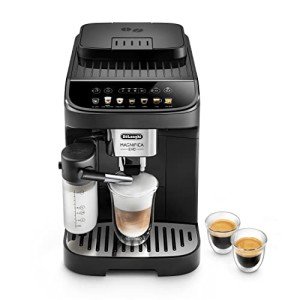
With a coffee maker you can enjoy fresh, delicious whole-bean espresso that is made according to your specifications. The machine grinds, measures, and tamps and pushes hot water into the ground to produce delicious, flavorful coffee.
They offer a variety of advantages such as user-friendliness and reduced environmental waste as compared to pod machines. The machine is fully automated and can be operated by pressing a button.
Here are a few alternatives to the word "grind"
If you are making your own coffee, the type of grind you choose is crucial to get the best cup of joe. The particle size, shape, and consistency are all vital. If you grind beans incorrectly, the water will move through the grounds too quickly. This can result in bitter taste or lack of flavor.
A good grinder should come with several sizes of grind to help you select the most suitable method for your brew. It's important to experiment with different sizes of grinds, since they can significantly alter the flavor of your brew. The smallest sizes of grind are perfect for espresso and French press, whereas larger, coarser particles are ideal for immersion brewing such as the Chemex or Moka pot.
Try roasting your beans, then grinding the beans just prior to brewing them to make a delicious cup of coffee. This will enhance the flavor and aroma and create an excellent cup of coffee each time. To preserve the freshness and taste of the beans, store them in a sealed airtight container in a dark, cool location.
Commercial machines that make coffee offer unbeatable convenience. They let you enjoy barista-quality coffee at the touch of a button. coffee machine for beans Coffeee do everything, from preparing the coffee beans to the tamping process. They are a great choice for busy cafes and offices.
The first step is to grind your beans to a specific size. They can be adjusted to fit the brew method you prefer, and they can be set to dispense the appropriate amount of cups or shots simultaneously. Some will automatically tamp the grounds in order to form a perfectly compacted ball of coffee, ensuring the most consistent extraction possible.
A bean-to cup machine typically includes a large hopper you can fill with whole beans. The machine will then automatically grind and disperse the appropriate amount of beans to suit the brew method you choose. These machines will often display to display the size of the grind and the dose chosen, as well as the total amount of drinks it's set to prepare.
Extraction
When a coffee is ground it is broken down into smaller pieces, referred to as particles. The size of the particles can have an impact on the extraction and the final cup's flavor. In a machine that brews coffee the size of the coffee particles is controlled so it matches the extraction type required by the machine. This allows you to make a great cup of espresso every time without the need for barista expertise.
The brew time in a bean to cup machine can be controlled to get exactly the strength you want to drink. This is a major advantage over pod machines which give you less control and could result in weaker or bitter tasting espresso. Bean-to-cup machines let you regulate not just the brew-time but also the temperature of the water. This lets you decide how strong your coffee will be.
Extraction is an extremely delicate process that is dependent on the proper proportion of particle size, dose and tamping pressure. A poorly extracted coffee can be the result of any of these causes. Coffee that isn't extracted enough will taste sharp and sour and coffee that is over-extracted will taste dry and bitter.
To ensure that your coffee is extracted correctly, you need to make use of a top-quality grinder and the correct type of beans. Light roasts are generally a bad choice for fully automated or espresso machines, since the process of extraction can be sluggish and leave the coffee flat and lacking in body. Darker roasts with a high Robusta content, like our Jhai (100% Robusta) or Tiga Terra are ideal for these kinds of machines, as they provide fuller flavors and more robust bodies.
The decision between a pod-based machine and a bean-to-cup coffee machine is ultimately based on the convenience of each and your personal preferences. Pod coffee machines offer an easy method to make tea and coffee, however they're generally less efficient than a bean-to-cup device and can produce significant waste as a result of the disposal of the discarded pods.
Dispensing
If you use whole beans you will save money and have more flexibility. This also means that you will have to perform more maintenance and cleaning on your machine than you would with pod-based machines.
These machines are designed to be low-maintenance and include many features that make this job easier. For example, most bean-to-cup coffee makers have automatic cleaning and rinsing cycles, making it easy to keep your machine in good condition without disrupting your day-to-day operations.
Another convenient feature is the ability to add hot, steaming milk to coffee beverages. This lets your team customize their drinks according to their preferences and tastes while also increasing productivity. It's also a good way to show you are concerned about the well-being of your team. In fact it has been proven scientifically that coffee boosts dopamine and norepinephrine production, which can boost focus and enthusiasm in the workplace.
Certain models provide even more customizable options for drinks, like texturing the milk in cappuccinos or lattes. This is a major draw for baristas who may have limited time to make each cup of coffee.
The size of the water tank as well as the bean hopper are also important features to look for when you are choosing a top bean-to- cup coffee maker. The water tank determines the length of time that the machine can run before it needs to be refilled and the size of the hopper will affect the frequency at which you'll have to replenish the beans. In general, the greater capacity of each, the less frequently you'll have to replenish.
You should carefully consider what type of beans you will be using prior to buying a bean-to-cup coffee maker. Different grind sizes can alter the flavor and consistency in each cup. You'll also want to check out the machine's programmable options that let you customize your drinks to taste exactly the way you prefer them.
In certain instances, the dispensing spouts of your coffee bean machine can become clogged with ground coffee residue and other debris left after grinding. To avoid the possibility of a slow and inconsistent flow that could result in an insufficient amount of grounds of coffee, the spouts should be cleaned regularly. This could be caused by excessively coarse grinding settings, overly dry or oily beans, or the absence of regular cleaning and rinsing.
Cleaning
Cleaning coffee machines is an essential aspect of running a machine, preventing the buildup of traces that could negatively impact the taste and quality of drinks. Regular cleaning helps keep the machine in good condition and also reduces the risk of a failure that can cause an expensive repair bill. Many bean-to cup coffee makers come with a built-in daily cleaning cycle that flushes through pipes to cleanse the brewing unit. Others will have separate milk side cleaning cycle in order to ensure that both spouts have been cleaned hygienically.
During installation, a good rental company will instruct their employees on how to maintain and clean the equipment. This helps to reduce confusion and ensure that the steps are correctly followed. Clear instructions and a thorough understanding of the process can help you avoid costly repairs or drinks of poor quality.
After each use, it's best to wash your carafe as well as the permanent filter in hot soapy water, or in the dishwasher if the item is marked as safe. It is also a good idea to run two to three cycles of fresh water with no K cups or ground coffee in the machine between each use. This helps remove any oily residues and prevent the build up of yeast, bacteria, or mould.
For single-serve or pod coffee makers, it is a good idea to do a deep clean and descale every 4 weeks. A vinegar solution is usually used for this. Add up to four cups of vinegar to the reservoir and then run the machine through a brewing cycle. Once the cycle is complete wash and descale according to the instructions of the manufacturer and run a few cycles of fresh water to get rid of any vinegar odor.
Commercial machines typically have a built in telemetry system that records the details of each cleaning cycle. This can be viewed by you or your supplier to make sure that the machine is maintained regularly. This could also alert you to any moving parts that are seized or stuck, which will need more precise repair and maintenance.